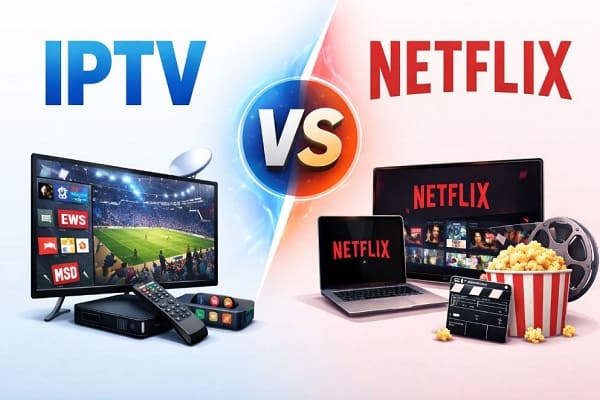
Streaming has completely revolutionized entertainment consumption in 2026. Traditional cable TV continues to lose subscribers at a rapid pace as viewers embrace flexible, internet-powered options. Two standout choices dominate conversations: IPTV services and Netflix.
Many wonder, “IPTV vs Netflix—which one is truly better?” The honest answer? It hinges on your lifestyle, what you love watching, your budget, and how much convenience you crave. This in-depth guide breaks down everything you need to know with a clear, balanced comparison to help you decide—or even combine both for the ultimate setup.
What Is IPTV?
IPTV (Internet Protocol Television) delivers TV content over a high-speed internet connection instead of old-school cable or satellite signals. It turns your broadband into a powerful TV pipeline, supporting everything from live broadcasts to on-demand libraries.
How IPTV Works
Content travels through secure internet protocols and plays via dedicated apps, smart TV platforms, or IPTV players like TiviMate or GSE Smart IPTV. With a stable connection, you get seamless access to thousands of channels and massive video libraries.
Main Types of IPTV Services
- Live TV — Real-time channels from around the world, including news, entertainment, and regional broadcasts.
- Video on Demand (VOD) — Huge collections of movies, series, and specials you can watch anytime.
- Time-Shifted TV — Catch-up features that let you replay shows or events you missed.
Who Uses IPTV?
IPTV appeals strongly to sports enthusiasts craving live matches, expats seeking home-country channels, and budget-savvy families wanting premium content without cable bills. In 2026, many premium IPTV providers boast 40,000+ live channels and 100,000–200,000+ VOD titles, often including 4K options and low-latency sports streaming.
What Is Netflix?
Netflix stands as the pioneer of on-demand streaming. It offers a subscription-based platform packed with movies, TV series, documentaries, and a growing slate of exclusive Netflix Originals.
How Netflix Works
You pay a monthly fee for unlimited access to a curated library. No contracts, no ads on higher tiers, and smart recommendations powered by advanced algorithms. Content downloads for offline viewing on mobile devices.
Content Focus
- Blockbuster movies and international films
- Binge-worthy TV series
- Thought-provoking documentaries
- High-profile Netflix Originals (Stranger Things, The Crown, etc.)
Subscription Plans in 2026
Netflix provides tiered options (prices in USD, subject to region):
- Standard with Ads: ~$8.99/month — Full HD, 2 streams, some titles restricted.
- Standard: ~$19.99/month — No ads, Full HD, 2 streams.
- Premium: ~$26.99/month — 4K UHD + HDR, up to 4 streams, more downloads.
Prices have risen recently, reflecting investment in new content and features.
IPTV vs Netflix | Head-to-Head Comparison
Content Availability
- IPTV: Excels with live TV, sports (football, cricket, NBA, F1), news, and global/international channels. Many services combine this with enormous VOD libraries far larger than most single platforms. Some IPTV service names are: Streamview IPTV, Zest IPTV, Polu TV, and so on.
- Netflix: Pure on-demand focus. No traditional live channels (though occasional live events appear). Strength lies in exclusive, high-production originals that keep subscribers hooked for binge sessions.
Pricing and Value
IPTV subscriptions often cost significantly less—sometimes $10–20/month for multi-device access to tens of thousands of channels and massive VOD—making it attractive for heavy live-content viewers. Netflix offers predictable pricing but can feel expensive if you only use a fraction of the library, especially with recent hikes and regional content limits.
Device Compatibility
Both work beautifully on:
- Smart TVs
- Smartphones and tablets
- Streaming sticks (Firestick, Roku, Android TV)
- Computers and gaming consoles
Netflix shines with its sleek, native app across all platforms. IPTV usually requires a compatible player app but supports more flexible setups, including multi-room viewing.
Streaming Quality and Reliability
- Netflix: Consistent high quality (up to 4K), adaptive bitrate, and minimal buffering on decent internet. Excellent offline mode.
- IPTV: Quality ranges from good to outstanding depending on the provider. Premium services deliver stable 4K IPTV and low-latency live streams, but cheaper or unverified ones may suffer from buffering during peak hours.
Both depend on a strong internet, though live IPTV often needs slightly higher bandwidth. It’s also best for live sports and live TV streaming.
5. User Experience and Ease of Use
Netflix wins for beginners: polished interface, personalized recommendations, profiles for family members, and one-click playback. IPTV offers greater customization (EPG guides, recording in some cases) but may involve a short learning curve for setup.
IPTV Pros and Cons
Pros:
- Access to thousands of live channels and global content
- Excellent for sports fans and live events
- Often more affordable with a broader channel variety
- Flexible for international viewers
Cons:
- Quality and reliability vary widely between providers
- Setup can feel technical for non-tech users
- Legal and safety risks of choosing unverified services
Netflix Pros and Cons
Pros:
- Premium original content and polished production values
- Legal, secure, and hassle-free experience
- Intuitive app with smart features like skip intro and profiles
- Reliable performance and offline downloads
Cons:
- No live TV or traditional channels
- Content library rotates and differs by country
- Rising subscription costs with potential for more price increases
- Limited value if you prefer live sports or news
Which Is Better for Different Users?
- Sports and Live TV Lovers: IPTV clearly takes the lead with real-time events and dedicated sports packages.
- Binge-Watchers and Original Content Fans: Netflix remains unbeatable for its curated, high-quality exclusives.
- Budget-Conscious Households: IPTV frequently delivers more content per dollar, especially for multi-user families wanting variety.
- Beginners Seeking Simplicity: Netflix offers plug-and-play ease with zero technical headaches.
- Advanced Users and International Viewers: IPTV provides customization, global channels, and flexibility that Netflix can’t match.
Many people in 2026 use a smart hybrid approach: Netflix for originals and prestige shows, plus a reliable IPTV service for live sports, news, and extra movies.
Is IPTV Legal Compared to Netflix?
Netflix operates fully legally worldwide with proper licensing agreements. IPTV technology itself is completely legal—it’s simply a delivery method. The difference lies in the provider:
- Legal IPTV: Services with official licenses (examples include official telecom IPTV or verified live TV platforms like YouTube TV, Fubo, or Sling in certain markets).
- Unverified/Gray-Area IPTV: Often cheaper options that may stream content without full rights. These carry risks of instability, malware, or legal issues depending on your location.
Always research providers, check reviews for uptime and support, and verify licensing where possible. Legal risks exist primarily with unauthorized streams—stick to reputable services for peace of mind. Many users turn to IPTV specifically for live sports coverage that’s hard to get elsewhere affordably.
Performance and Global Reach in 2026
Netflix delivers a consistently smooth experience in most countries, though libraries shrink in some regions due to licensing. IPTV can offer broader global access, sometimes including channels that bypass geo-restrictions (with the usual legal caveats).
The IPTV market continues to grow thanks to the rapid demand for live and flexible content, while Netflix invests billions in originals and tech like better personalization.
The Future of Streaming: IPTV and Netflix Coexisting
In 2026 and beyond, the streaming world isn’t about one winner. IPTV grows through demand for live events, low-latency sports, and massive channel bundles. Netflix doubles down on exclusive storytelling and user-friendly features. New platforms and hybrids keep emerging, pushing innovation in 4K/8K, AI recommendations, and interactive viewing.
Both will thrive by serving different needs—live vs. on-demand, affordability vs. polish.
Frequently Asked Questions (FAQs)
IPTV vs Netflix: Which is better overall?
It depends. Choose IPTV for live TV, sports, news, and value. Choose Netflix for premium originals, ease, and reliability. Many combine both.
What’s the main difference?
IPTV emphasizes live channels and broad access; Netflix specializes in on-demand curated content and originals.
Is IPTV cheaper than Netflix?
Usually, yes—premium IPTV often provides far more live + on-demand content for a lower monthly cost than Netflix’s higher tiers.
Can IPTV fully replace Netflix?
Not completely. IPTV lacks Netflix’s exclusive high-budget originals and seamless interface, but it can cover most entertainment needs for many users.
Is IPTV safe?
Safe when you use reputable, well-reviewed providers with strong uptime and support. Avoid suspiciously cheap or unverified services to minimize risks. Legal IPTV options exist and are growing.
Final Verdict: IPTV vs Netflix
There’s no universal winner in the IPTV vs Netflix debate.
- Go with IPTV if you crave live sports, global channels, news, and maximum content for your money.
- Stick with Netflix if you value convenience, exclusive storytelling, and a flawless, beginner-friendly experience.
Many households subscribe to Netflix for its originals while adding a quality IPTV service for live events and extra variety. This combination often delivers complete entertainment without breaking the bank.
Ready to upgrade your viewing? Evaluate your main watching habits—live events or binge sessions?—then test options with trials where available. The streaming future is flexible, and the right mix can transform how you enjoy TV in 2026 and beyond.
Explore related reads:
- Internet TV vs Traditional IPTV
- IPTV vs Other Streaming Services
- Choosing the Best Live TV Options