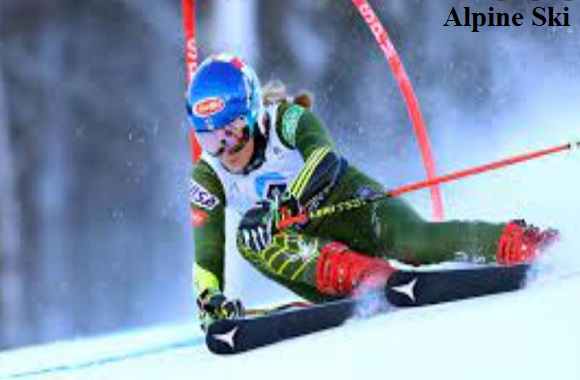
It is a type of sport that is loved by many. Alpine skiing is often seen as an intense and difficult one. The most important part of the sport is geared towards endurance, strength, and skill. A person will only be considered a professional if they are good enough to compete in major competitions.
This can take years of practice with expensive equipment for someone to even decide they want to pursue it as a career path. It’s a type of sports that start with A.
It has been an international event since 1936 at the Winter Olympic Games.
History of Alpine Skiing
The first alpine ski race was held in St Moritz, Switzerland, in 1872. The race was a six-kilometer race starting at the local railway station. In the end, it was the German athlete Fritz Gruber who won the race over his Finnish rival, while the Frenchman Arthur Péron took third place. The race took place on the pavilion grounds of the 1932 Winter Olympics. It’s also called downhill skiing.
The official rules of the International Ski Federation (FIS) state that there should be 17 turns and 1450 meters covered in the course.
The sport spread to the rest of Europe and the United States. In 1922, the first slalom ski opposition occurred in Mürren, Switzerland.
Rules of Alpine Skiing
The rules of Alpine skiing govern this exhilarating winter sport. Here’s a short and unique summary of the rules:
- Course Navigation: Skiers must follow a predetermined course marked by gates, which are sets of poles or flags placed at specific intervals along the slope. The objective is to complete the course in the fastest time possible while passing through each gate correctly.
- Start Order: Skiers start the race one at a time at regular intervals. The start order is often determined by the skier’s ranking or random selection. The fastest skiers typically start last to create an exciting chase format.
- Gate Negotiation: Each gate consists of two poles placed in a specific configuration. Skiers must pass between the poles, skiing around them without knocking them down or missing any gates. Failure to correctly navigate a gate results in a time penalty or disqualification.
- Speed and Technique: Skiers are expected to exhibit skillful skiing techniques while maintaining control and balance at high speeds.
- Timing: The time taken to complete the course is recorded by electronic timing devices. Skiers are ranked based on their total time, with the fastest time determining the winner.
- Safety Measures: Skiers are required to wear appropriate safety gear, including helmets, to minimize the risk of injury. They must also adhere to safety guidelines and exercise caution while skiing to ensure their safety and the safety of other participants.
- Disqualifications and Penalties: Skiers can be disqualified for missing a gate, deliberately cutting the course, or displaying unsportsmanlike behavior. Time penalties may also be given for straddling or missing a gate, adding time to the skier’s overall time.
- Out-of-Bounds: Skiers must stay within the boundaries of the designated course. Going out-of-bounds may result in disqualification or time penalties, as it provides an unfair advantage or compromises safety.
- Categories and Events: Alpine skiing encompasses various disciplines, including Slalom, Giant Slalom, Super-G, Downhill, and Combined.
- Judging and Refereeing: Trained officials and referees monitor the race, ensuring that skiers adhere to the rules. They make judgment calls on gate violations, penalties, and overall race fairness.
These rules provide a framework for fair competition and safety in Alpine skiing, allowing athletes to showcase their skills and speed down challenging slopes.
Equipment
Downhill skiing or Alpine sports equipment is given below.
– Ski boots
– Ski poles
– Ski goggles
– Ski jacket
– Ski gloves
– Bindings
– Ski cap
– Ski pants
– Ski hat
– Ski jacket
– Ski pants
– Ski hat
– Protective gear
– Ski goggles
References
Category: Winter Olympic sport
Category
Here’s a short list of equipment commonly used in Alpine skiing:
- Skis: Alpine skis are specially designed for downhill skiing. They are typically longer, wider, and more stable than other types of skis, providing better control and maneuverability on groomed slopes.
- Ski Boots: Ski boots are rigid and provide ankle and foot support. They have a sturdy construction that enables skiers to transfer power and movements to their skis effectively.
- Ski Bindings: Bindings connect the ski boots to the skis. They allow skiers to release their boots from the skis during falls or high-impact situations, reducing the risk of injury.
- Ski Poles: Ski poles are used to assist with balance, timing, and propulsion while skiing. They are typically made of lightweight materials, such as aluminum or carbon fiber, and feature grips and straps for better handling.
- Ski Helmet: A helmet is an essential safety gear that protects the head from impact and potential injuries. It is strongly recommended for skiers of all levels, providing crucial protection against falls and collisions.
- Ski Goggles: Ski goggles are worn to protect the eyes from wind, snow, and harmful UV rays. They enhance visibility in varying weather conditions and shield the eyes from glare.
- Ski Jacket and Pants: Ski-specific jackets and pants are designed to provide insulation, weather protection, and breathability. They keep skiers warm and dry in cold and snowy conditions.
- Layers and Base Layers: Skiers wear multiple layers of clothing to regulate body temperature. Base layers provide moisture-wicking and insulation, while mid-layers and outer layers offer additional warmth and protection.
- Protective Gear (Optional): Some skiers choose to wear additional protective gear, such as padded shorts, back protectors, or knee pads, for added safety and confidence.
In conclusion
I think that already I’ve submitted about the history of Alpine Skiing, equipment, with also details.
The skier should maintain an average speed of approximately 20 km/h, and release their edges at least once per turn.
Read also more sports
Acrobatic gymnastics and more.