Abseiling is a sport and recreational activity in which participants descend a rock face using a rope. It was originally developed in Europe in the late 19th century to provide safe access down cliffs for naturalists, treasure hunters, and alpinists. As the activity grew in popularity, it became an international pastime that is now practiced worldwide.
The first time, the games got popular in the United States, and then in the United Kingdom. The USA created the rappelling terms, and both are understood, but the sport is referred to correctly.
A short history of Abseiling sports
In the nineteenth century, before the advent of the modern abseil, people climbed up a rope to places where they could then drop down. As a result, they had to climb the rope back up to get back to the top.
The source of the term rappel in reference is attributed by Roger Frison-Roche circa 1944 to the technique. It is a sport that starts with A.
Charlet devised the technique during an unsuccessful solo attempt of Petit Dru in 1876. In 1879, he managed to reach the summit of the Petit Dru in the company of two other hired Chamonix guides.
Abseiling Equipment
The sports Equipment consisted of an abseil rope that was attached to the rock by a carabiner. The abseil rope was then tied to the climber’s waist, and a second carabiner was connected to the rope so that the rope could be lowered by the climber.
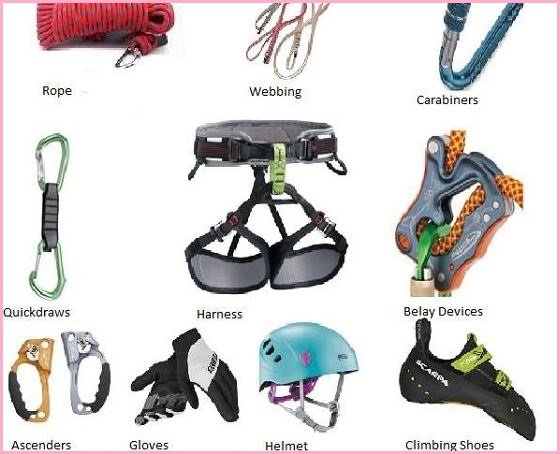
Also, the abseiling equipment is given below
- Climbing harness
- Helmets
- Boots or climbing shoes
- Knee-pads
- A descender
- Anchors: Some parts have fixed anchors like bolts or pitons.
Some information on Abseiling and Climbing
You may get here the game equipment, background, types, lists, and also details.
Background: Golden age of alpinism. History of rock rising.
Types: Big Wall, Buildering, Aid, Competition, Face, Crack, Deep Water Solo, Ice, Indoor, Lead, Rock, Rope, Slam, Roped Solo, Solo, Sport, Speed, Tree, and Trad.
Terms: Abseiling – Belaying – Grades.
Gear: Belay device – Dynamic Rope – Harness – Protective shoes and Helmet.
Don’t miss watching: FIFA World Cup 2026
Rules of Abseiling
The rules of the sport are as follows: Abseil with the climber’s back to you.
The Rules of Abseiling: To ensure safety during this activity, the following rules are important to follow:
- Safety Equipment: Before attempting an abseil, ensure you have the necessary safety equipment. This typically includes a harness, helmet, appropriate ropes, carabiners, a descender device, and backup systems like prusik cords or autoblocks.
- Knowledge and Training: Abseiling requires proper knowledge and training. Learn the techniques, knots, and safety procedures from a qualified instructor or experienced individual before attempting it on your own.
- Anchor Points: Identify secure anchor points at the top of the descent. These can be natural features like trees or rock formations, or man-made anchors like bolts or cams. Ensure they are strong, properly installed, and capable of supporting the weight and force of the descent.
- Safety Checks: Perform thorough safety checks on all equipment, including harnesses, knots, ropes, and carabiners. Ensure they are in good condition, properly attached, and functioning correctly.
Rope Management
Proper rope management is essential for a smooth and safe descent. Ensure the rope is properly threaded through the descender device and attached securely to your harness. Avoid any tangles or twists in the rope.
- Communication: Establish clear communication with your partner or belayer before starting the descent. Use pre-arranged signals or verbal cues to ensure a smooth and coordinated descent.
- Controlled Descent: Begin the descent in a controlled manner, maintaining a steady pace. Avoid excessive speed or sudden movements that can cause swings or loss of control. Use your non-dominant hand as a brake on the rope to regulate speed.
- Look out for Hazards: Be vigilant and watch out for potential hazards during the descent, such as loose rocks, protruding branches, or uneven surfaces. Take necessary precautions to avoid these obstacles.
- Backup Systems: Consider using a backup system like a prusik knot or autoblock to provide additional safety and control. These backup systems can act as a brake in case of a failure in the primary descent system.
- Landing and Release: Plan for a safe landing at the bottom of the descent. Ensure you have enough rope to reach the ground and release the rope gradually to avoid any sudden jerks or impacts.
In conclusion
In the days when abseiling was a new sport, a great deal of the equipment was homemade. As a result, there were no official rules. As a result, abseilers had to develop their own rules of abseiling.